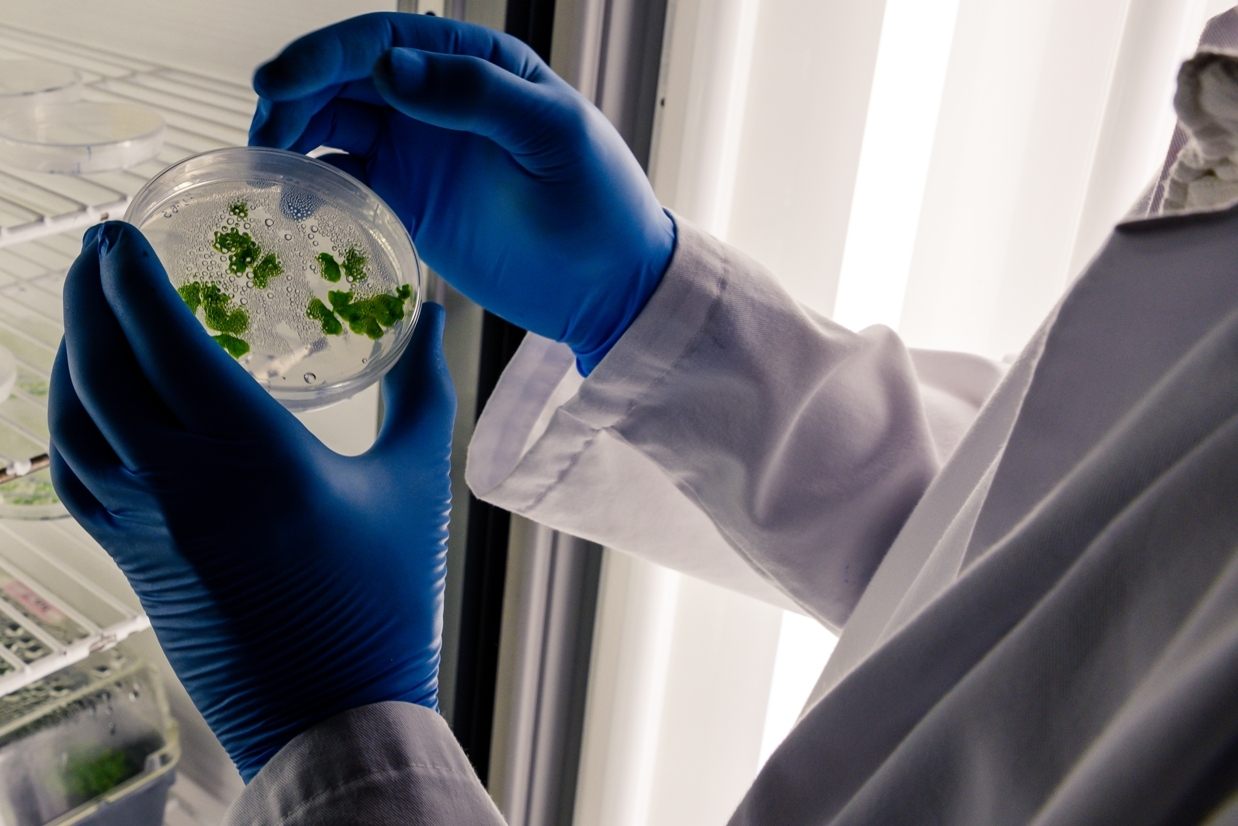
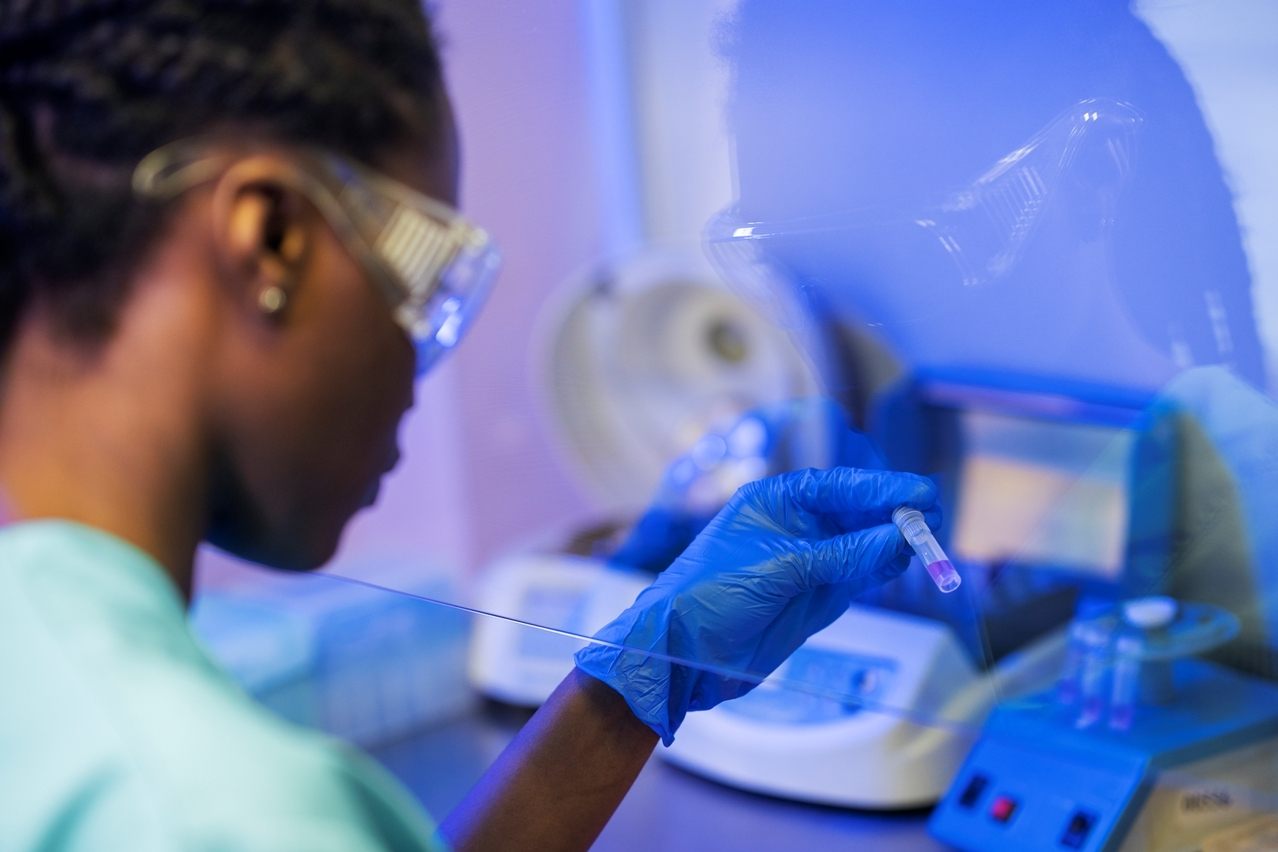
Microbiological testing is used in pharmaceutical, cosmetic, municipal water, and food and beverage industries to provide safe products for consumption. From bioburden testing to mycoplasma detection, pathogen and spoilage testing, pyrogen testing, sterility testing, air monitoring, and surface testing, a variety of techniques are routinely employed to ensure safety and regulatory compliance.
Bioburden Testing
Media Fills
Microbial Culture Media Preparation
Mycoplasma Testing
Pathogen & Spoilage Testing
Pyrogen Testing
Sterility Testing
Surface & Personnel Testing
Viable Air Monitoring
Bacteria spread easily and can harbor on a wide range of matrices, including water, food and dust. Organizations must protect their employees and stakeholders to ensure regulatory compliance and safeguard their business reputation.
A critical part of any health and safety operation, microbiology analysis ensures products and processes are not harboring bacteria that can lead to contamination or infection.
Isotrace Analytic Microbiology Testing Services
Our dedicated team of environmental health and safety experts provide direction and support for field-based work and analytical testing services covering a wide variety of bacteria, including:
Salmonella
Listeria
Legionella
Enterococci
E. coli/coliforms
Staphylococcus
Coliphages
Hydrocarbon utilizing bacteria
Iron related bacteria
Pseudomonas aeruginosa
Fecal and total coliforms
Heterotrophic or total plate count (HPC, TPC)
Total plate count/aerobic plate count/standard plate count
Yeast and mold
Why choose Isotrace Analytic?
In addition to microbiological field and analytical support, our experts can also add value to your business through:
Regulatory reporting assistance
Data trending
Product or system bench scale trials
Emergency sampling and testing in response to biological contamination events